
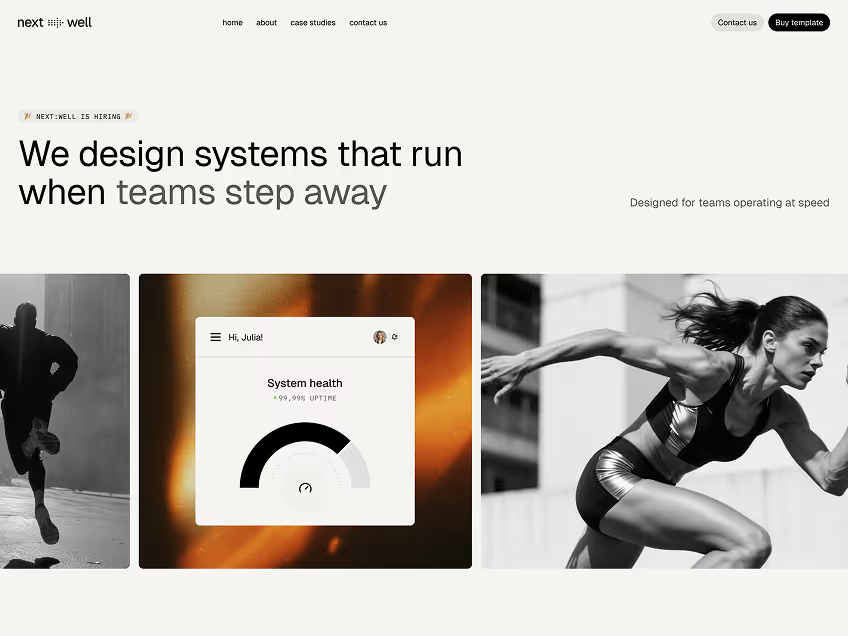




We design systems that run when teams step away




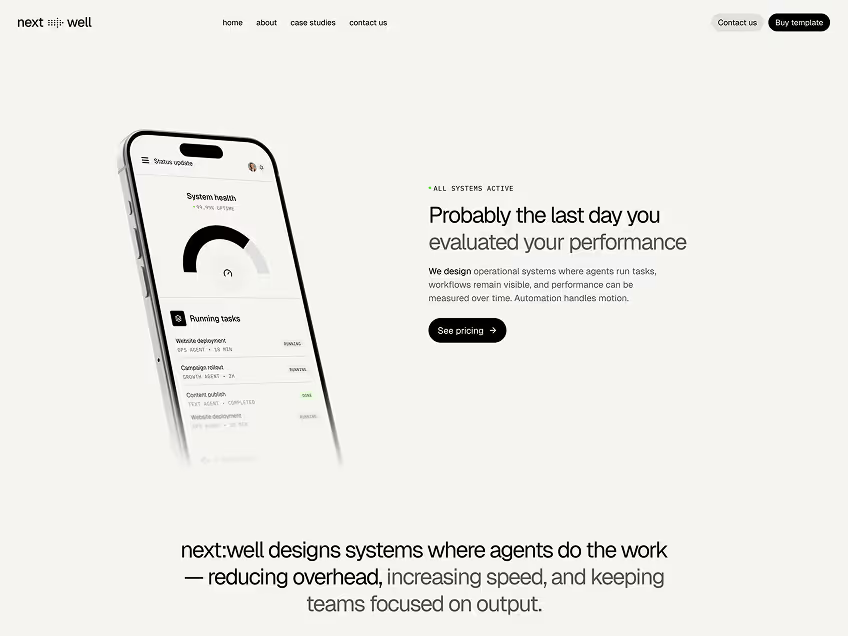
next:well focuses on building operational systems where agents handle execution, workflows stay visible, and performance remains predictable under pressure. The goal isn’t automation for its own sake — it’s creating environments where work moves reliably without constant oversight.








These values show up in how the system behaves, not how it’s described.
New ideas matter, but stability matters more. Features are added only when they improve execution under real conditions, not just in ideal scenarios.
We don’t rely on heroics. Execution should come from well-designed systems, not constant manual coordination or individual effort.
Speed without control leads to failure. The system is designed to move fast while maintaining visibility, guardrails, and predictability.



next:well core moments



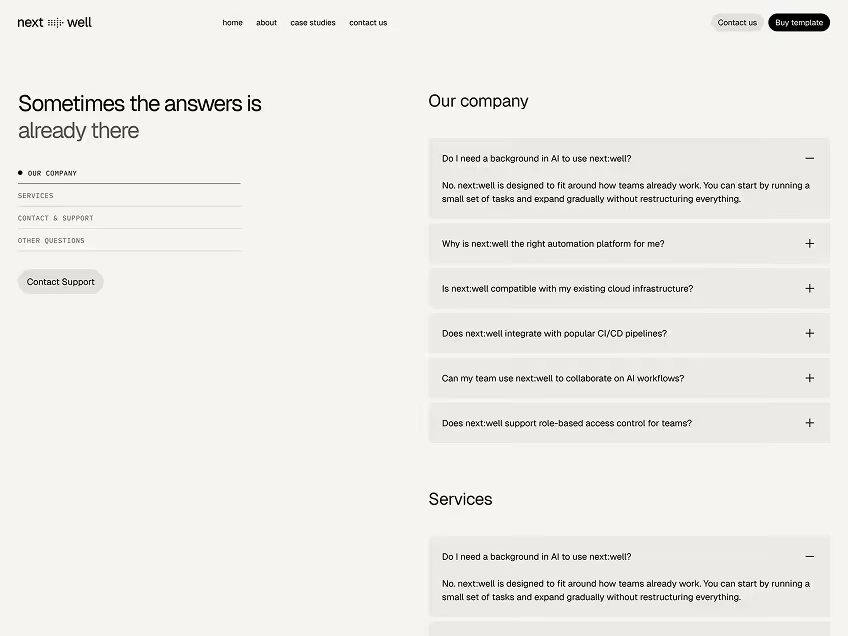
These are the questions we hear most often from teams evaluating or integrating the system.
No. next:well is designed to fit around how teams already work. You can start by running a small set of tasks and expand gradually without restructuring everything.
Most teams can run their first tasks within a few hours. Setup is intentionally lightweight, with room to refine workflows over time.
No. It acts as an execution layer that connects to what you already use, rather than replacing your current stack.
Failures are isolated and logged. Tasks can be retried, rerouted, or paused without stopping the rest of the system.
Full visibility. You can see what’s in progress, what completed, what failed, and why — without digging through multiple tools.
Yes. Many teams begin with a single workflow or agent and expand as they gain confidence and see results. product teams use it to run tasks, monitor execution, and reduce operational overhead.
